Medical Aesthetics Explained: What to Know Before Your First Treatment
Updated: October 6, 2026
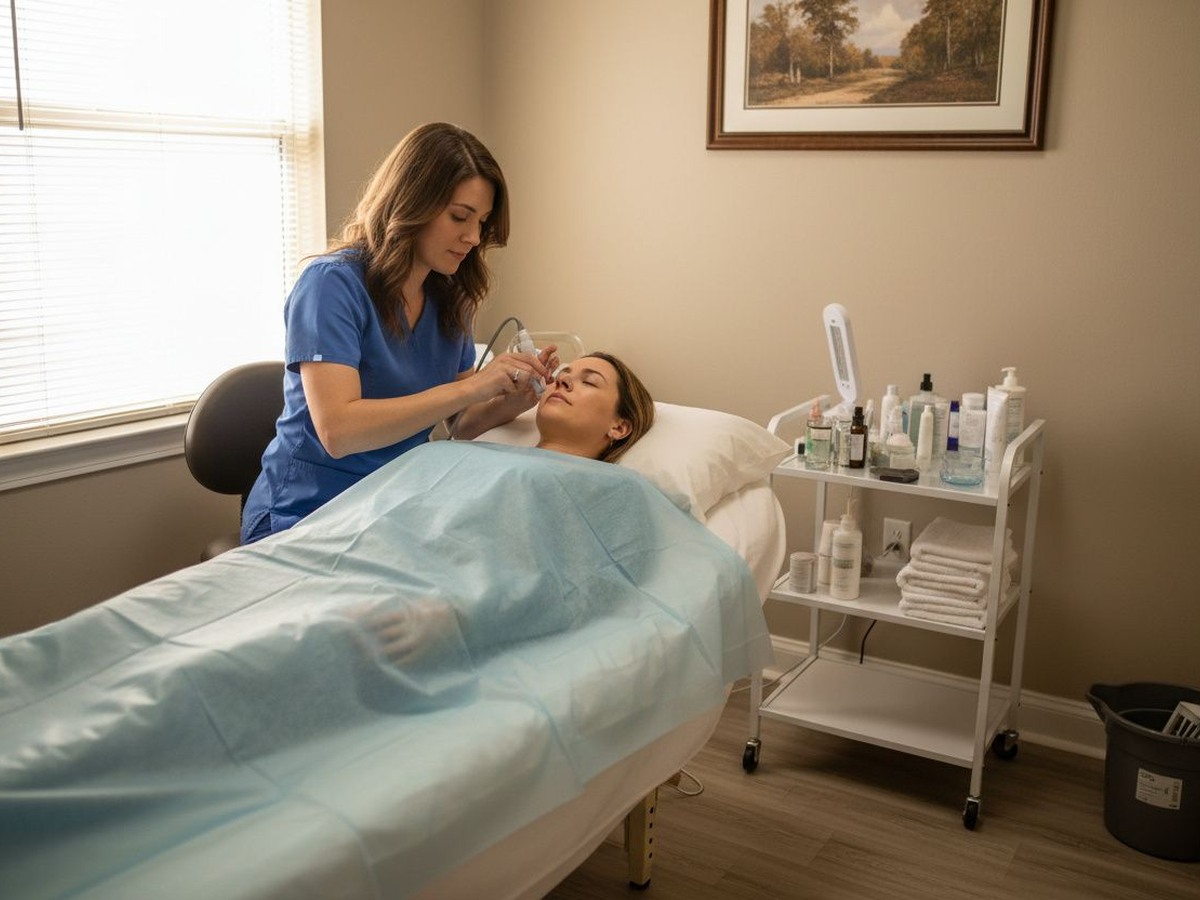
Medical aesthetics refers to non-surgical treatments that aim to improve skin texture, tone, and overall skin health. These procedures are typically performed in a clinical setting and may include injectables, laser treatments, chemical peels, and microneedling. The right choice depends on your skin concerns, goals, and medical history, so a personalized consultation is an essential first step.
What Is Medical Aesthetics?
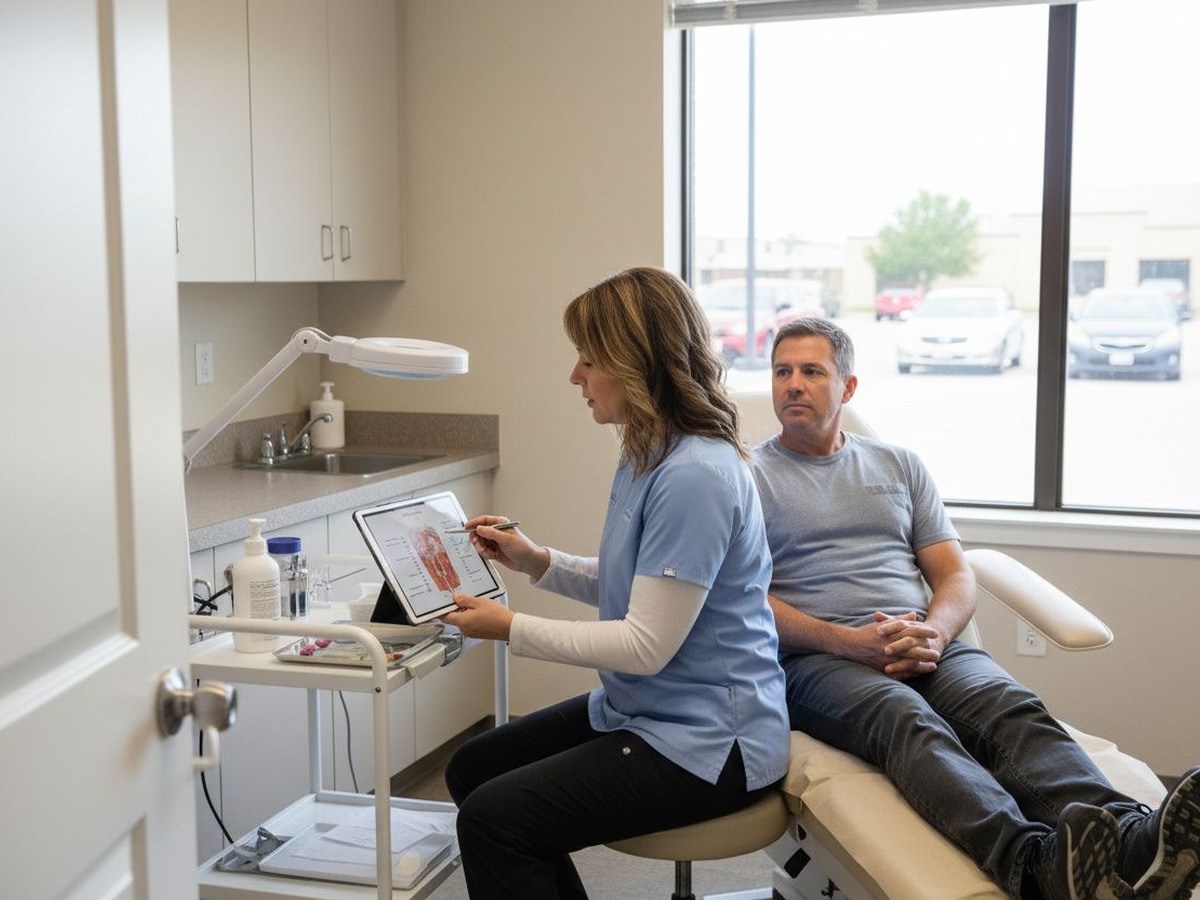
Medical aesthetics sits between traditional spa facials and plastic surgery. Treatments are non-invasive or minimally invasive and focus on enhancing appearance without major downtime. Common categories include:
Injectables: Botox, dermal fillers, and PRP (platelet-rich plasma) injections to reduce wrinkles or restore volume.
Skin resurfacing: Chemical peels, microneedling, and dermaplaning to improve texture and tone.
Energy-based treatments: Radiofrequency (RF) skin tightening, ultrasound, and laser therapies to stimulate collagen.
Hydration and glow treatments: HydraFacial and oxygen therapy for immediate radiance.
Because these treatments affect living tissue, they should be performed by trained professionals who can assess your skin and adjust protocols safely.
How Medical Aesthetics Differs from a Spa Facial
A spa facial focuses on relaxation and superficial cleansing. Medical aesthetics targets deeper layers of the skin and may involve devices or substances that require medical oversight. For example, a chemical peel at a medical clinic may use stronger acids than those available over the counter, and injectables are only legal when administered by a licensed provider.
This distinction matters because it affects both results and risk. A medical aesthetic treatment can produce more noticeable changes, but it also requires a thorough health screening and aftercare instructions.
Common Treatments and What They Address
Here are some widely offered medical aesthetic treatments and the concerns they typically target:
Botox and similar neuromodulators: Soften dynamic wrinkles caused by muscle movement, such as frown lines and crow's feet.
Dermal fillers: Restore lost volume in cheeks, lips, and under-eye hollows; results are immediate but temporary.
Microneedling: Creates tiny punctures to stimulate collagen; often combined with PRP or exosomes for enhanced healing.
Chemical peels: Remove damaged outer layers to improve pigmentation, acne scars, and fine lines.
RF microneedling: Combines microneedling with radiofrequency energy to tighten skin and improve texture.
HydraFacial: A multi-step treatment that cleanses, exfoliates, and hydrates for an immediate glow.
Each treatment has different downtime, cost, and expected results. A consultation should clarify which option aligns with your skin type and goals.
When Is Medical Aesthetics a Suitable Option?
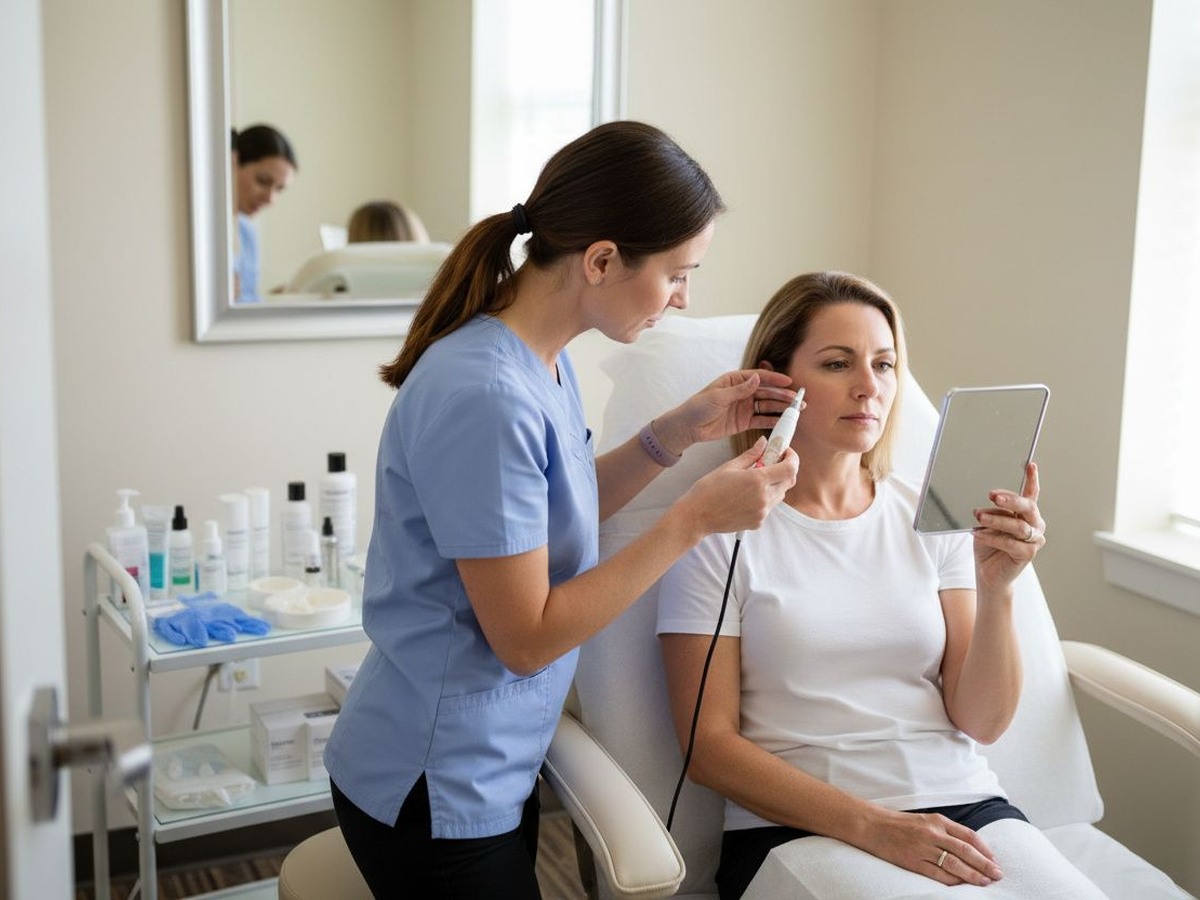
Medical aesthetics may be suitable if you have specific skin concerns that have not responded to over-the-counter products, such as:
Persistent acne scars or uneven texture
Fine lines and wrinkles
Hyperpigmentation or sun damage
Loss of skin firmness
Dull or dehydrated skin
However, not everyone is a candidate. Pregnancy, certain medical conditions, active infections, or use of blood thinners may require postponing treatment. A qualified provider will review your history before recommending anything.
What to Verify Before Booking
Because medical aesthetics involves your skin and health, you should verify the following before committing:
Provider credentials: Ask who will perform the treatment and what training or licensure they hold.
Product authenticity: For injectables, confirm the brand and that it is sourced from a reputable supplier.
Facility standards: The clinic should follow infection control protocols and have emergency equipment if needed.
Realistic expectations: Ask to see before-and-after photos of actual patients with similar concerns.
Cost and packages: Get a clear breakdown of per-session pricing and whether maintenance is required.
At Skin Glow by Zaman, a complimentary consultation is offered to discuss your skin goals and create a personalized plan. This is a good opportunity to ask these questions without pressure.
Limitations and Alternatives
Medical aesthetics is not a substitute for a healthy skincare routine or medical dermatology. It cannot treat skin cancer, severe acne, or systemic conditions. For those concerns, a dermatologist should be consulted first.
Alternatives to consider include:
Prescription topicals: Retinoids, hydroquinone, or azelaic acid for acne and pigmentation.
Professional skincare lines: Medical-grade products used at home under guidance.
Lifestyle changes: Sun protection, diet, and hydration can improve skin health over time.
Some people combine medical aesthetics with these alternatives for better maintenance, but that decision should be made with a professional.
Your Next Step: A Focused Consultation
The most sensible next step is to book a consultation with a provider who offers a range of medical aesthetic treatments. During that visit, bring a list of your concerns, current skincare products, and any medications. Ask about the provider's experience with your specific skin type and request a written treatment plan with expected outcomes and costs.
Skin Glow by Zaman offers a complimentary consultation at their Rockwall location. You can also review their aesthetics services to see which treatments might apply to your goals. Remember, a good provider will never rush you into a decision and will be transparent about what a treatment can and cannot do.
Frequently Asked Questions
What is the difference between medical aesthetics and cosmetic surgery?
Medical aesthetics uses non-surgical or minimally invasive techniques to improve skin appearance, while cosmetic surgery involves surgical procedures that alter structure. Medical aesthetic treatments typically have less downtime and lower risk, but results may be more subtle and temporary.
How do I know if a medical aesthetic treatment is right for me?
A consultation with a qualified provider is the best way to determine suitability. They will assess your skin type, concerns, and medical history to recommend appropriate options. Be prepared to discuss any medications, allergies, or previous treatments.
Are medical aesthetic treatments safe?
When performed by trained professionals using approved products and protocols, medical aesthetic treatments are generally safe. However, all procedures carry some risk, so it's important to choose a reputable provider and follow pre- and post-treatment instructions carefully.
What should I ask during a medical aesthetics consultation?
Ask about the provider's credentials, experience with your specific concern, expected results, potential side effects, downtime, and total cost. Request before-and-after photos of similar cases and clarify what is included in the quoted price.

Comments